
2026-08-24 · Marco Delgado
Timing Your Kitchen Remodel Around West Palm Beach Rainy Season
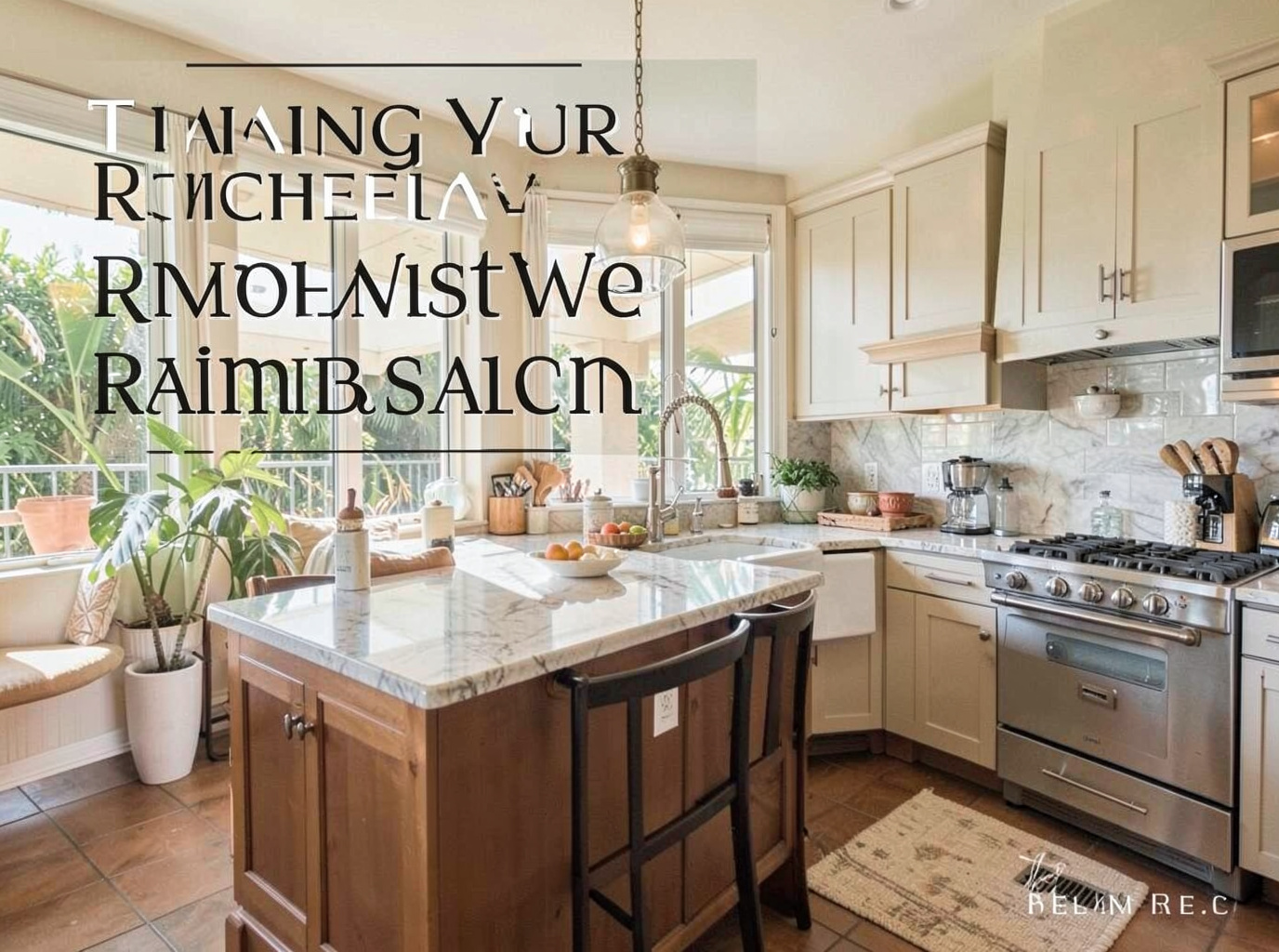
If you want the smoothest kitchen remodel in West Palm Beach, aim to start demolition between October and January and plan to be finished before June. That dry-season window — drier air, lower humidity, and no named storms bearing down on Palm Beach County — is when materials behave, subs show up, and inspections don't get pushed. Because most full kitchens here run 6–12 weeks on site, and semi-custom cabinets alone carry 8–12 weeks of lead time, that means signing plans and placing orders in July, August, or September for a fall start. Remodel in the wet months if you must — plenty of people do — but you'll want extra sequencing care, and this article walks through exactly where the risk lives.
Why Rainy Season Actually Matters Indoors
People assume a kitchen is a sealed interior job, so weather shouldn't matter. It matters more than almost any other room. From roughly June through October, afternoon downpours and dew points in the mid-70s mean the air inside an unconditioned house is loaded with moisture — and demo often means the AC is off, windows are open for dust control, and a slider is propped for material runs. Wood movement is the first casualty: solid-wood doors and drawer fronts can swell 1/16" or more, enough to turn a perfectly set 1/8" reveal into a rubbing door six weeks later. Plywood cabinet boxes acclimating in a humid garage will do the same thing after installation, once the AC pulls them back down to 45–55% relative humidity. Tile thinset and grout cure slower, self-leveling underlayment takes longer to flash off, and paint or lacquer sprayed at high humidity can blush or stay tacky. Add a hurricane watch and your delivery truck, your inspector, and your tile setter all disappear for a week. None of that is fatal — it's just why the calendar deserves real thought before you sign.
Building the Schedule Backward From Your Target Finish
Work backward from the date you want to cook Thanksgiving dinner or host in season, not forward from today.
- Design and selections — 3–6 weeks. Layout, appliance specs, cabinet door style, finishes. Nothing gets ordered until this is locked.
- Permit review — 2–5 weeks in Palm Beach County and the City of West Palm Beach, longer if you're moving plumbing, gas, or a load-bearing wall. Historic districts like El Cid, Flamingo Park, and Grandview Heights can add review steps.
- Cabinet lead time — 8–12 weeks for semi-custom, longer for full custom. Countertops are templated after cabinets are set, then 7–14 days to fabricate.
- On-site work — 6–12 weeks for a full gut; 2–3 weeks for a countertop and backsplash refresh.
Stack those and a fall start means starting the conversation in early summer. If you're planning a full kitchen remodel, that lead time is the single biggest reason people end up demolishing in August by accident — they started designing in June.
What Changes If You Do Build During Wet Season
Sometimes the timing isn't yours to pick — a closing date, a rental turnover, a failed cast-iron drain line. Wet-season remodels are entirely doable with a few non-negotiables:
- Keep the AC running. Get a temporary filter and a plastic dust wall up so the system can run through demo instead of being shut down for three weeks.
- Acclimate cabinets and wood flooring inside the conditioned house for 3–7 days before install — never in the garage or a carport.
- Store nothing outside overnight. A tarped pallet of MDF panels in a July downpour is a total loss.
- Schedule roof-adjacent work first. If your project touches a soffit, a vent hood penetration, or a range hood duct through the roof, get it dried in early in the week, not on a Friday afternoon.
- Choose materials that forgive humidity — plywood boxes over particleboard, conversion-varnish or catalyzed finishes, quartz or porcelain surfaces. Our guide to moisture-resistant cabinet choices for West Palm Beach kitchens goes deeper on the box-and-finish decisions.
Older Housing Stock Adds Its Own Delays
Much of what we open up in Northwood, Grandview Heights, and Flamingo Park is 1920s–1950s construction — wood frame or hollow clay tile, original galvanized or cast-iron drains, and 60-amp-era panels that were patched rather than replaced. Once the plaster comes off, the surprise list is real: rotted sill plate under a window that's leaked for decades, an old chase that isn't where the plans said, or a slab that's out of level by 3/4" across a 12-foot run. Each of those triggers a change order and, if it's structural or electrical, another inspection. That's why rainy-season starts hurt more in a 90-year-old bungalow than in a 2005 condo near CityPlace or Clematis Street — the odds of an unplanned week of open framing are simply higher, and open framing in August is when moisture gets into your walls. Budget 10–15% contingency on pre-1960 homes, and read up on how local building codes shape layout changes before you commit to moving the sink.
The Best and Worst Months, Plainly
- October–January: the sweet spot. Drying humidity, hurricane season winding down, subs available before the deep season rush.
- February–April: excellent conditions, but the busiest booking window in Palm Beach County — expect to reserve 2–3 months out.
- May: good working weather, decent availability, and a real risk your project tail runs into June rain.
- June–September: workable with discipline. Best used for cabinet fabrication, countertop templating, and design rather than open demo.
- Peak storm weeks (August–September): avoid having your house torn open. Material trucks, inspectors, and crews all pause when a system enters the forecast cone.